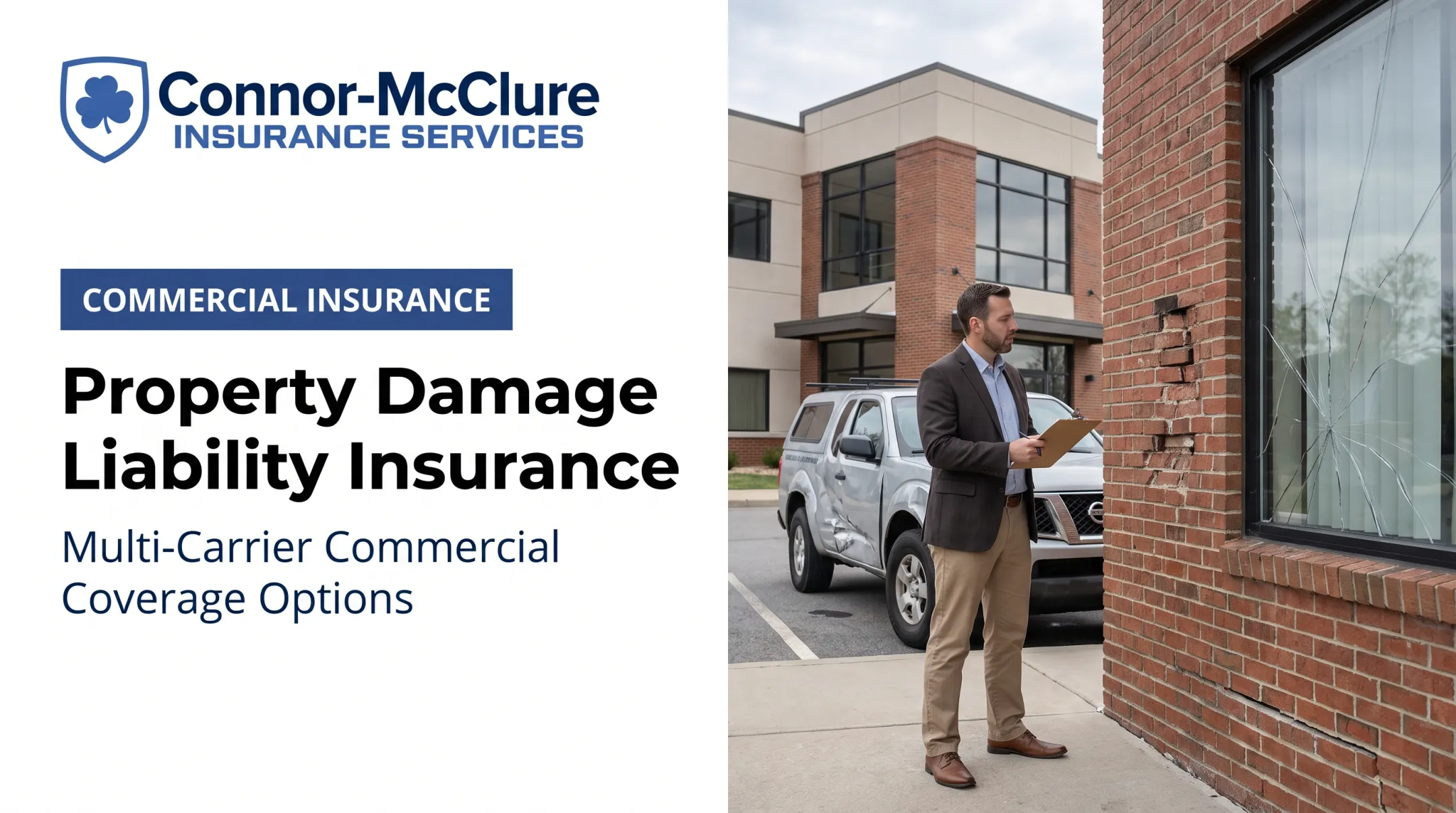
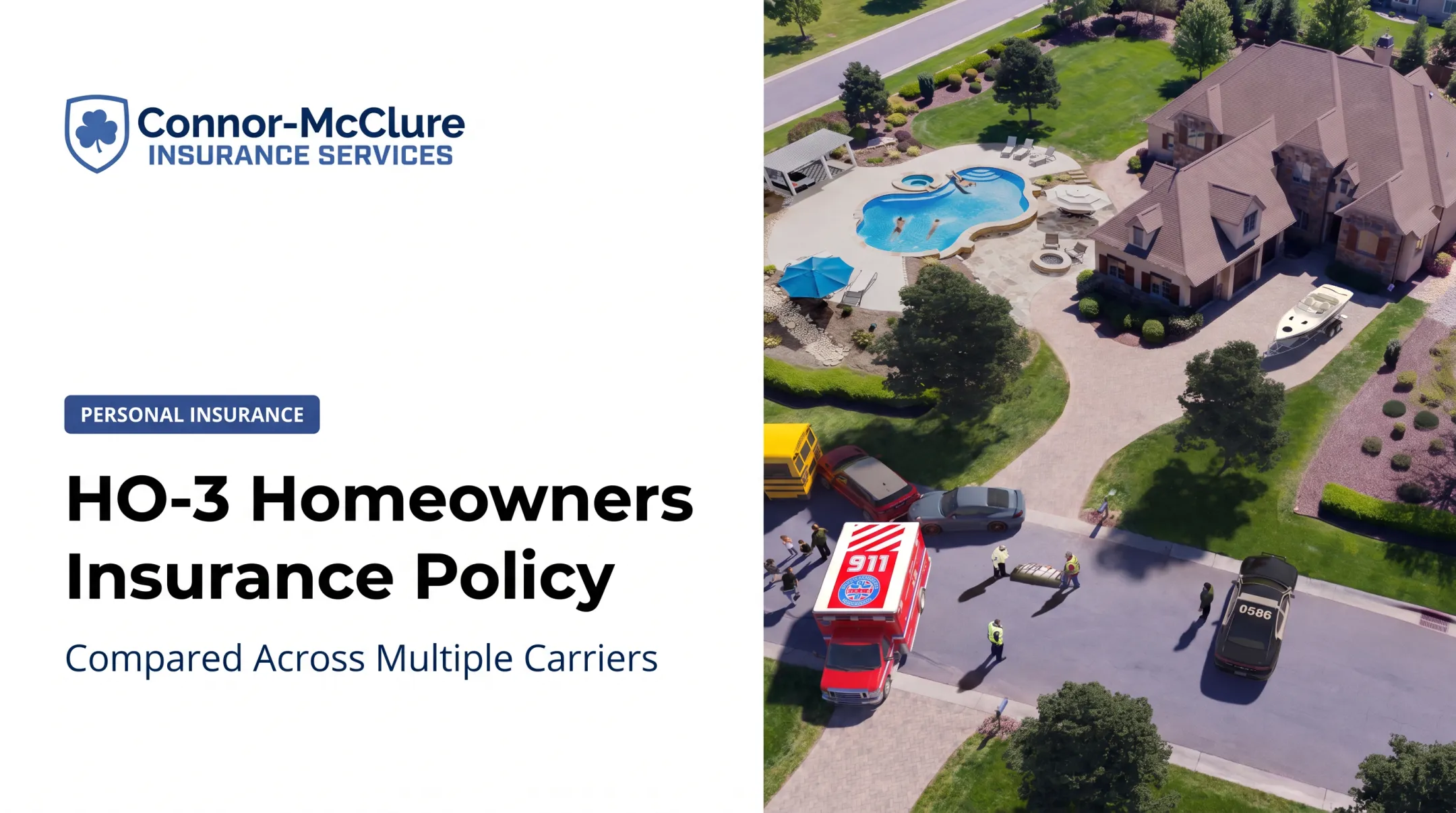
Property and casualty insurance is the broad category built to absorb exactly these hits. It protects physical assets—your home, car, equipment, inventory—and helps cover financial responsibility when you're legally on the hook for harm to someone else or their property.
This article breaks down the difference between property and casualty coverage, walks through common personal and business policies, flags typical exclusions, and gives you a practical framework for assessing your own coverage needs.
Key Takeaways
- Property insurance protects what you own; casualty insurance addresses liability from your actions or operations
- Homeowners, auto, general liability, workers' compensation, and umbrella policies all fall under the P&C umbrella
- Coverage depends on your specific policy's limits, deductibles, endorsements, and exclusions—not the policy's name
- Review your coverage after major life changes, not just at renewal time
What Is Property and Casualty Insurance?
"Property and casualty insurance" isn't one product. It's an umbrella term covering policies that protect physical assets, address certain financial losses, and provide liability protection when you're legally responsible for harming someone else.
Property vs. Casualty: The Core Distinction
Property coverage responds to covered damage, destruction, or loss involving your assets: a home, vehicle, equipment, or personal belongings.
Casualty coverage responds to liability exposures: bodily injury, damage to someone else's property, and the legal defense or settlement costs that come with it.
Picture two scenarios. A storm rips shingles off your roof. That's a property claim. A delivery driver slips on your icy front steps and breaks a wrist. That's a casualty claim. Same policy, two very different triggers.

Why Insurers Bundle the Two
Most everyday policies combine property and casualty protection in a single contract. Homeowners, renters, auto, business owner's, and commercial package policies all do this because the risks tend to travel together. Own a house, and you face both storm damage and slip-and-fall liability.
Casualty Insurance Isn't Just Liability Insurance
Liability coverage is a major piece of casualty insurance, but the category stretches further. Casualty insurance can also include auto coverage, workers' compensation, surety bonds, and other specialized protections depending on your industry.
What P&C Does Not Cover
Property and casualty insurance generally excludes life and health insurance. A complete financial protection plan typically requires pairing P&C coverage with separate life and health policies.
Common Types of P&C Insurance
Not every P&C policy applies to every situation. Here's how the major types break down for individuals versus businesses.
Personal P&C Insurance
- Homeowners insurance — Addresses the dwelling, personal property, additional living expenses, and personal liability after a covered event
- Renters insurance — Covers a tenant's belongings and liability; your landlord's policy protects the building, not your furniture
- Condo insurance (HO-6) — Covers your unit and belongings, while the association's master policy typically covers shared structures—check your association documents to see where responsibility splits
- Auto insurance — Combines liability protection with optional or lender-required physical damage coverages like collision and comprehensive
- Specialized options — Landlord policies, valuable-articles floaters, RV, boat, motorcycle, and personal umbrella coverage round out most households' needs
Commercial P&C Insurance
Business owners typically layer several policies together rather than relying on one:
- Commercial property — Covers buildings, business personal property, equipment, inventory, and tenant improvements
- General liability — Addresses customer injuries, third-party property damage, product claims, and certain advertising-injury allegations
- Workers' compensation — Covers work-related employee injuries or illnesses; requirements vary significantly by state
- Commercial auto — Covers business vehicles, plus hired and non-owned auto exposures when employees use personal vehicles for work
- Professional liability (E&O) — Addresses financial losses tied to alleged mistakes or negligence in professional services
- Additional coverages — Cyber liability, employment practices liability, crime, inland marine, equipment breakdown, and commercial umbrella fill gaps based on your specific operations
A fire-suppression contractor, for instance, faces different exposures than a medical communications firm—matching coverage to actual operations matters more than buying a generic package.
What Does P&C Insurance Cover—and Exclude?
Every claim outcome comes down to the insuring agreement: covered perils, definitions, limits, deductibles, conditions, endorsements, and exclusions written into your specific policy.
Property-Related Losses
Common covered perils include fire, smoke, theft, vandalism, wind, hail, and certain water losses, though coverage always depends on the policy form.
- Named-peril policies cover only the perils specifically listed
- Open-peril policies cover everything except what's explicitly excluded
Two other distinctions matter just as much:
- Replacement cost coverage pays to rebuild or replace without deducting for depreciation
- Actual cash value coverage factors in depreciation, often resulting in a lower payout
Business income, business interruption, extra expense, and additional living expense coverages can also help with lost income or temporary costs after a covered loss, subject to waiting periods and policy conditions.
Casualty and Liability Losses
Liability coverage can help with covered third-party bodily injury, property damage, legal defense, settlements, or judgments when you're legally responsible and the policy applies.
General liability does not automatically cover professional errors, employee injuries, intentional acts, auto accidents, or every pollution or cyber exposure, according to III's CGL overview. Those typically require separate policies.

Two liability trigger types matter for professional and specialty coverage:
- Occurrence policies respond to injury or damage happening during the policy period, even if the claim surfaces years later
- Claims-made policies respond when the claim is made during the policy period, tied to a retroactive date. Continuous coverage or an extended reporting period can matter a great deal here
Common Exclusions and Coverage Gaps
Flood and earthquake are the two biggest gaps people overlook. Most homeowners policies exclude flood damage entirely, and separate coverage is usually required to fill that hole, per FEMA's flood guidance.
Other frequent exclusions:
- Wear and tear or deferred maintenance
- Intentional damage
- Certain mold or gradual water losses
- Business activities conducted under a personal policy
Don't assume a broad-sounding policy name guarantees coverage. Review exclusions, sublimits, and endorsements with a licensed professional before you need to file a claim.
How to Choose and Review Your Coverage
Start with an honest inventory of what you're protecting:
- List your exposures — Homes, vehicles, belongings, buildings, equipment, inventory, income sources, employees, and customer interactions
- Estimate accurate limits — Base this on current replacement costs, business income needs, and realistic loss severity; a professional valuation helps for larger assets
- Compare more than price — Weigh deductibles, exclusions, endorsements, insurer strength, and claims support alongside the premium
- Reassess after major changes — Buying property, adding employees, starting a home business, marriage, inheritance, or a shift in income all warrant a fresh look

As one client put it, the value of a good agency shows up when something goes wrong. Hunterdon Hills Playhouse CEO Richard Schulman describes Connor-McClure as staying "ahead of it" on carrier issues, claims, and pricing, calling the agency a partner that's "on our side."
That's the role Connor-McClure Insurance Services plays for personal and business clients across its licensed states—helping people understand their risks and compare options suited to their actual circumstances, rather than pushing a one-size-fits-all policy. If you're unsure whether your current coverage still fits, a conversation with the agency is a reasonable next step.
Conclusion: Protect What You Own and the Risks You Create
Property and casualty insurance works as two complementary halves: coverage for damage to what you own, and protection against the financial fallout when you're responsible for harming someone else.
The right mix looks different for a renting family, a landlord, a contractor, a professional office, or a retailer. Assets, activities, location, contracts, and risk tolerance all shape the answer.
Pull out your declarations page. Check the limits, deductibles, and exclusions. Note anything that's changed since you bought the policy. Then talk to a licensed insurance professional about where the gaps might be.
Frequently Asked Questions
What is property and casualty insurance?
It's coverage for physical property losses combined with protection against certain liability or casualty exposures. The exact protection always depends on the specific policy you hold.
What is included in property and casualty insurance?
Common examples include homeowners, renters, auto, commercial property, general liability, workers' compensation, professional liability, and umbrella coverage. Not every policy includes every type of protection.
What is the difference between property insurance and casualty insurance?
Property insurance addresses damage to or loss of covered assets like your home or vehicle. Casualty insurance generally addresses liability arising from harm to other people or their property.
What is casualty insurance and what does it cover?
Casualty insurance is a broad category that can include liability, auto, workers' compensation, and specialized coverages. It typically addresses bodily injury, third-party property damage, and related legal costs.
How does casualty insurance differ from liability insurance?
Liability insurance is a major type of casualty protection, but "casualty insurance" is the broader term. It can also cover auto, workers' compensation, and surety exposures beyond general liability.
What perils does fire insurance typically cover?
Fire policies commonly address direct fire damage and may extend to related smoke damage, though coverage varies by form, according to the NAIC's homeowners guide. Check your declarations page for covered perils, exclusions, and whether you need separate coverage for other risks.